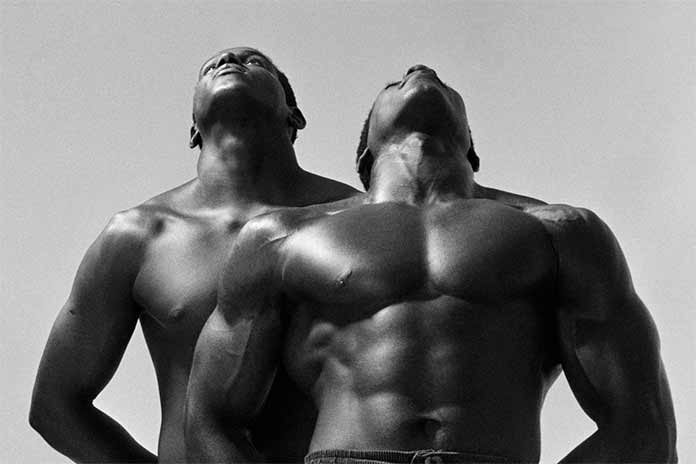
One afternoon in Salvador, curator Hélio Menezes was at the headquarters of the Zumví Afro-Photographic Archive in Pelourinho when someone knocked on the door and asked for Lázaro Roberto, founder and current general director of Zumví. It was the son of a worker at the São Joaquim Fair, one of the largest popular fairs in Brazil, in the lower city of the Bahian capital.
With his father's death, he was searching for photographs of him, since he didn't have any. He knew that Lázaro had photographed the life of the fair extensively, and he hoped to find at least one image. Lázaro not only had the photograph, but he also knew who the person portrayed was and where the record was located. "I think we have to do the exhibition for that reason, you know?", says Menezes, at a press conference at IMS Paulista.
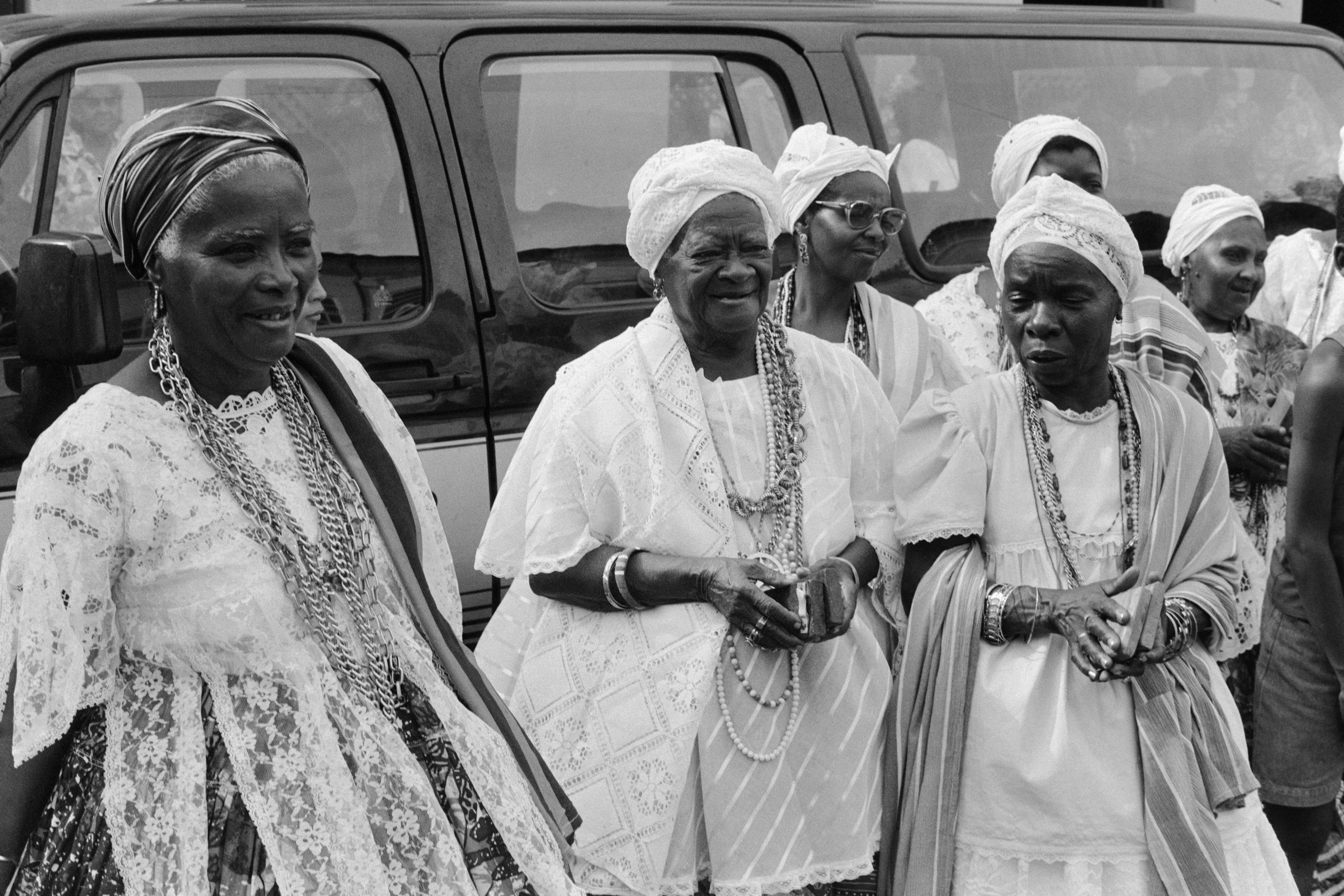
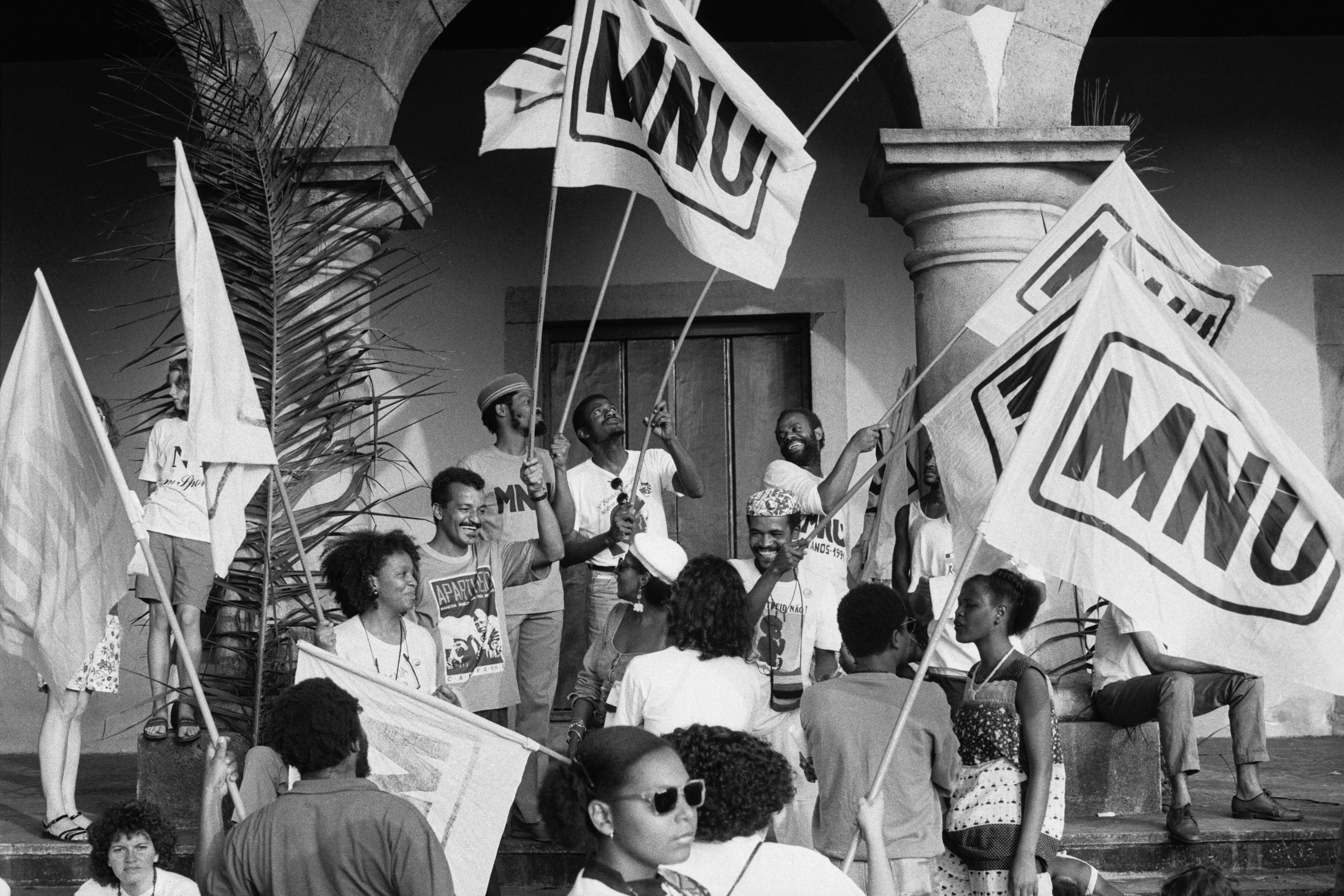
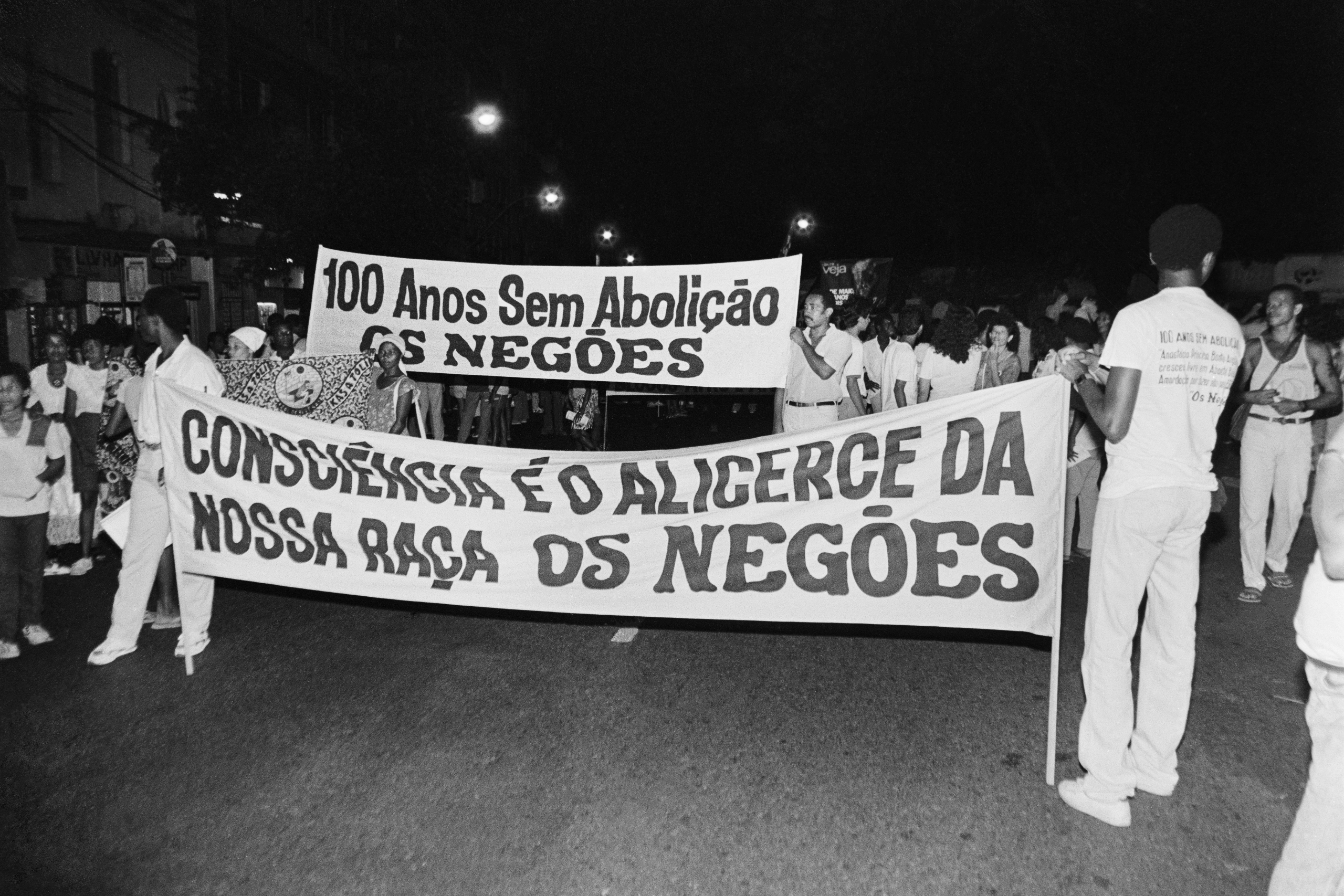
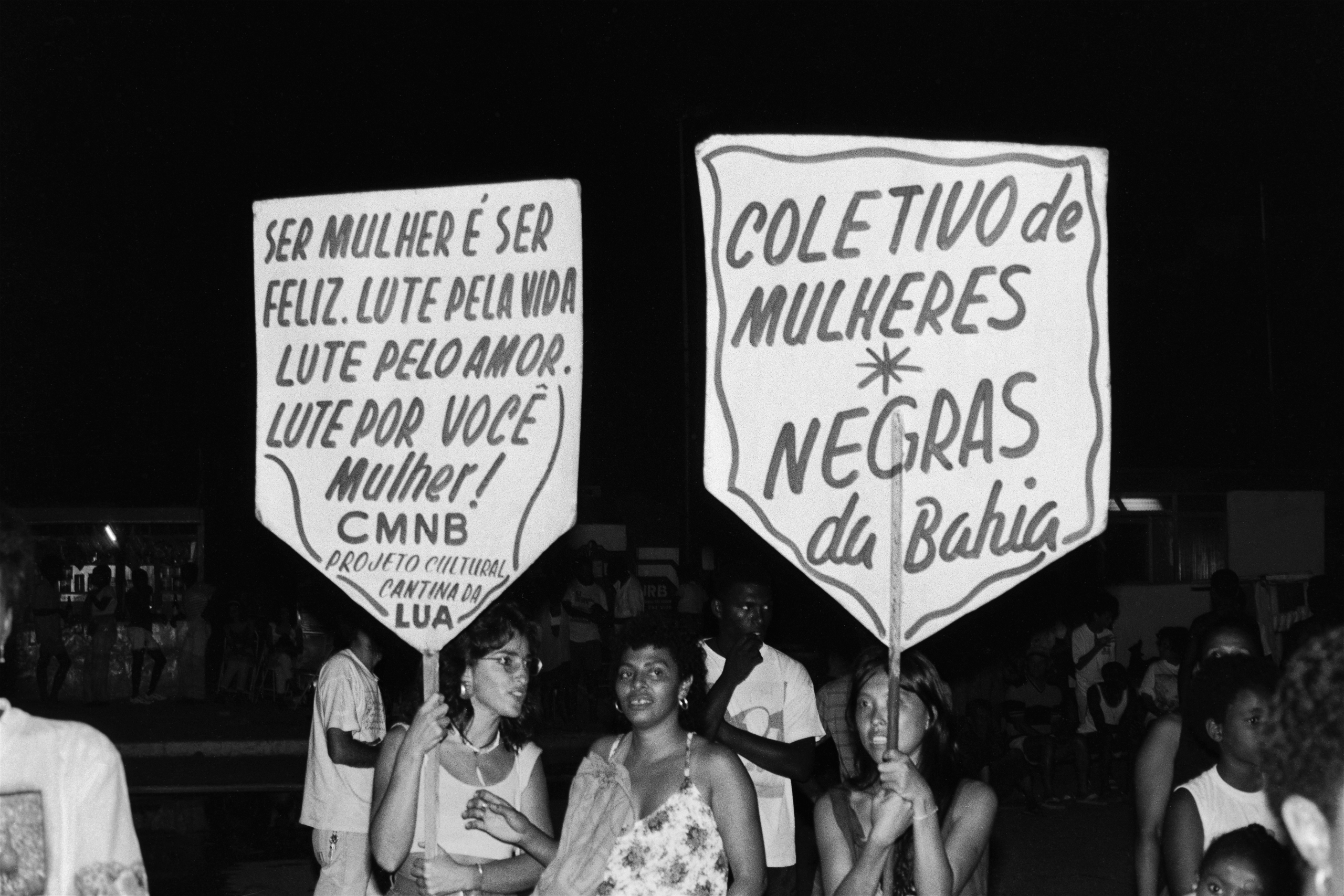
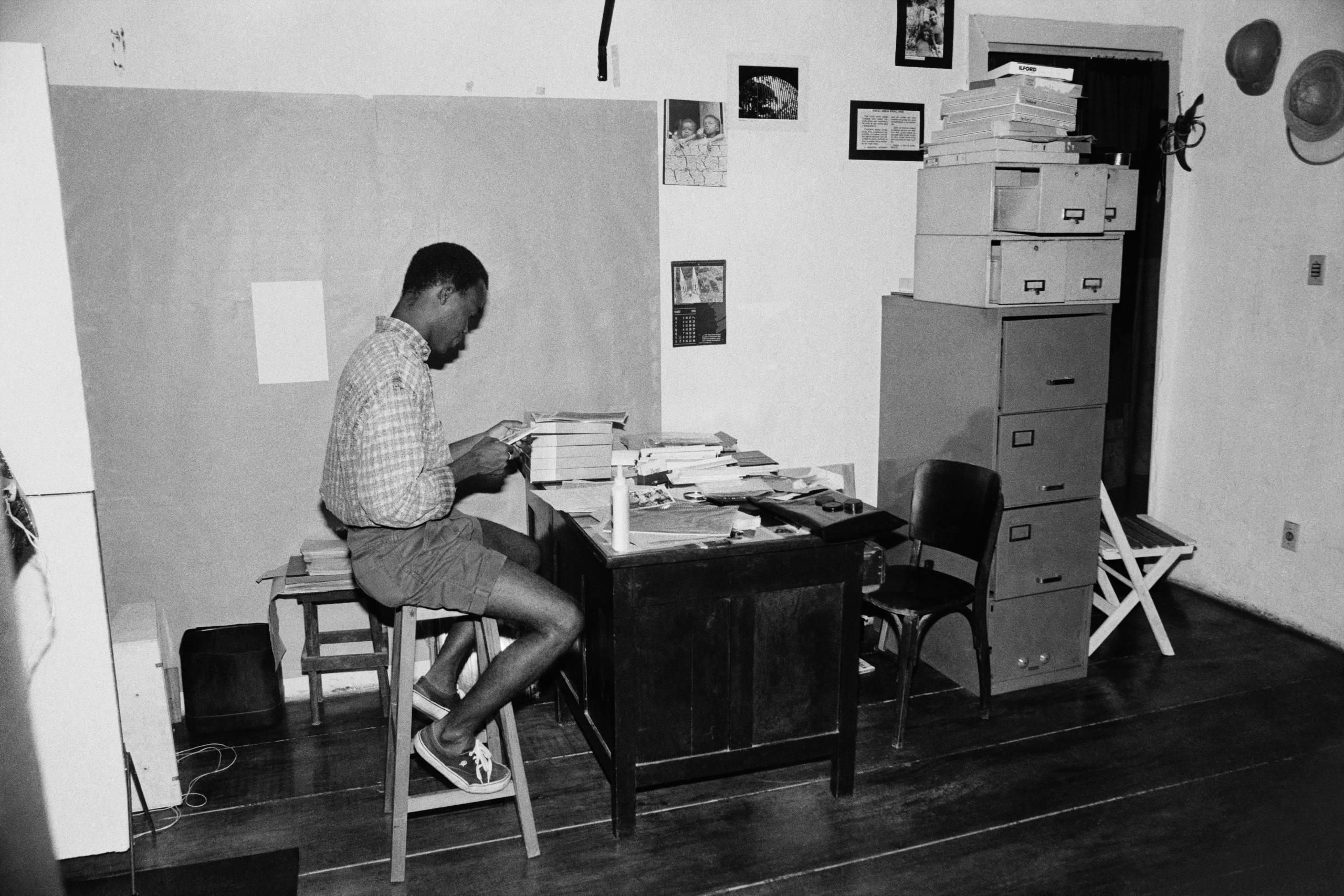
The institution has just opened the exhibition. Zumví Afro Photographic Archive, which presents an overview of the archive's trajectory, founded in 1990 by Lázaro Roberto, Aldemar Marques, and Raimundo Monteiro, with the goal of highlighting Black protagonism, uniting photography and political activism.
Menezes, who is curating the exhibition, says that Lázaro Roberto is a "walking hard drive." "He remembers the names of those photographed, the context, the date, the whisper, the comment, he remembers his brother, sometimes his grandfather's name. It's no joke," he states.
This characteristic of Lázaro is one of the pillars of the exhibition. The curator explains that there was a systematic effort to identify each person portrayed and to contextualize the images. In archives, he observes, Black people often appear without names or identification, "without any characteristics beyond 'Black woman with a turban'."
Lázaro explains that he is neither the son of a photographer nor an artist. His mother was a laundress and his father a stevedore. A "communist priest," who had been persecuted by the dictatorship, encouraged the creation of a youth group in the region. There, he came into contact with three important aspects of his development: theater, the Black Movement, and the Afro bloc Ilê Ayê.
In the 1980s, while already documenting Salvador, the city was undergoing a process of re-Africanization. In this context, he realized that Salvador is a Black city. "Photography gave me racial awareness," he states. Thus, at the end of the 80s, he began photographing the São Joaquim Fair, which he defines as "a hub for Black people who go there to earn their living."
Lázaro never owned large cameras. To take photographs, he needed to get very close to his subjects. His desire to have a zoom camera, which he later acquired, was to bring what is far away closer. It's no coincidence that he was named Lázaro. Zumví It combines "zoom," spelled "zum" in Portuguese, with the verb "ver" (to see) in the first person: "eu vi" (I saw).
The exposure
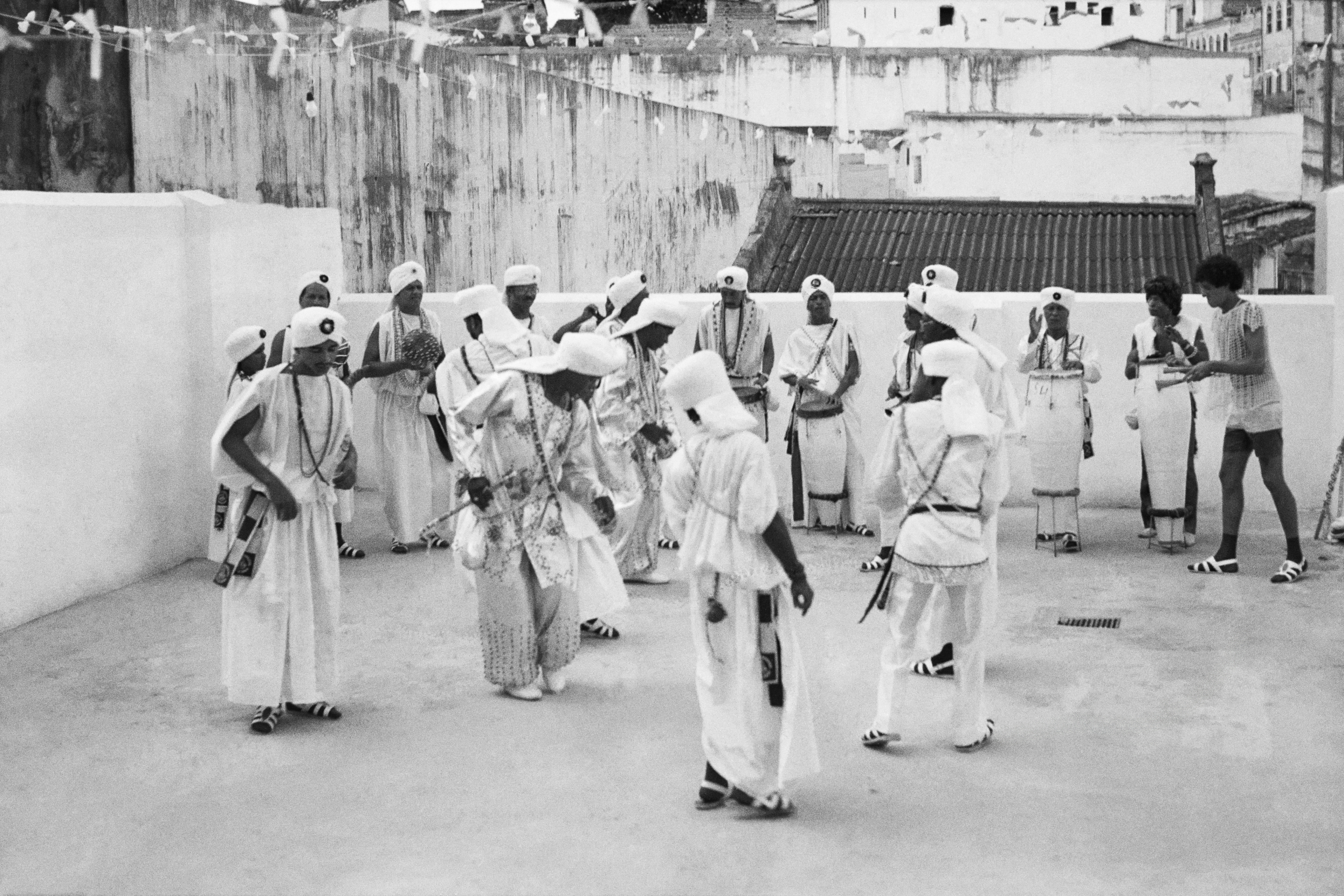
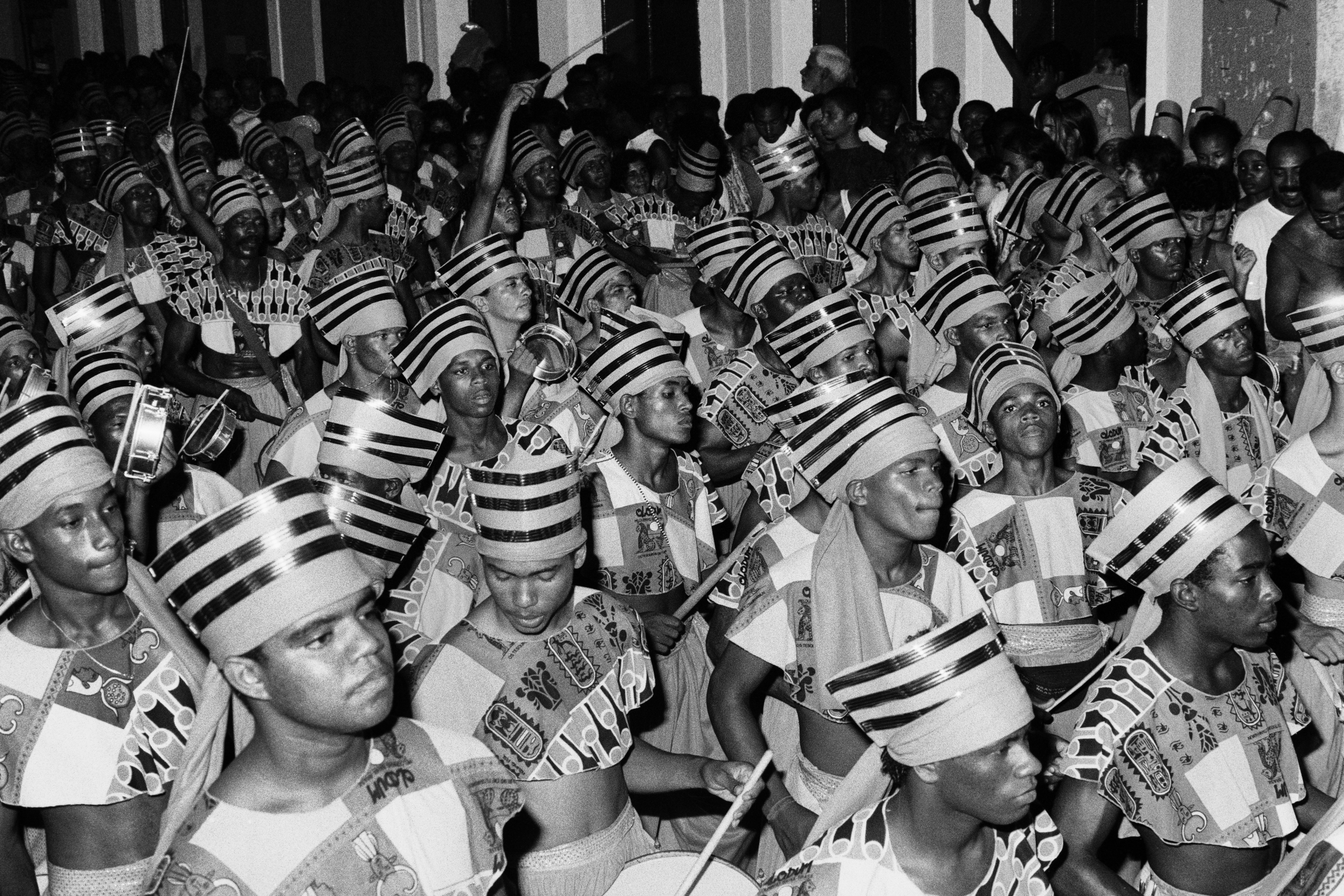
Occupying two floors of the IMS Paulista, the exhibition presents approximately 400 images, a challenge given that Zumví is composed of around 50 photograms and documents. In addition to Menezes' curatorship, the exhibition features curatorial assistance from Ariana Nuala, consulting by Elson Rabelo, research by Vilma Neres, exhibition design and architecture by the Vão office, and visual identity by Namíbia Chroma.
The photographs are organized into 16 themes. Among the themes are Black Movements and Afro and Afoxé Groups, the struggle for territory of the Quilombo do Rio das Rãs, the worlds of hip-hop and reggae in Salvador, historical moments such as Nelson Mandela's visit to the Bahian capital in 1991, popular festivals, the São Joaquim Fair, and Black Beauty.
In this latest installment, Lázaro Roberto and Raimundo Monteiro document beauty salons in the outskirts of Salvador. Besides photographing signs and work tools, they also portray the variety of hairstyles and haircuts. dreadlocks ao blackpower.
Lázaro says he photographs for the future. Menezes believes that part of that future has arrived. This is because, according to him, for a long time there was no recognition of Lázaro's work, nor was attention paid to the documentary dimension of his production. "Today that has changed. We have a group of historians, sociologists, anthropologists, curators, black artists, intellectuals, activists from various other backgrounds who are concerned," he says.