Giuliano de Miranda
There's a rule that spans centuries: authoritarian regimes fear art. It's no coincidence that one of the first actions of those who intend to govern without limits is to decide what can be painted, sung, staged, and exhibited. In 1937, Nazism mounted the "Degenerate Art" exhibition in Munich to ridicule the modern avant-garde. In the same year, Picasso responded to the bombing of Guernica with a painting that became the most enduring cry against barbarity. Power tried to silence; art responded.
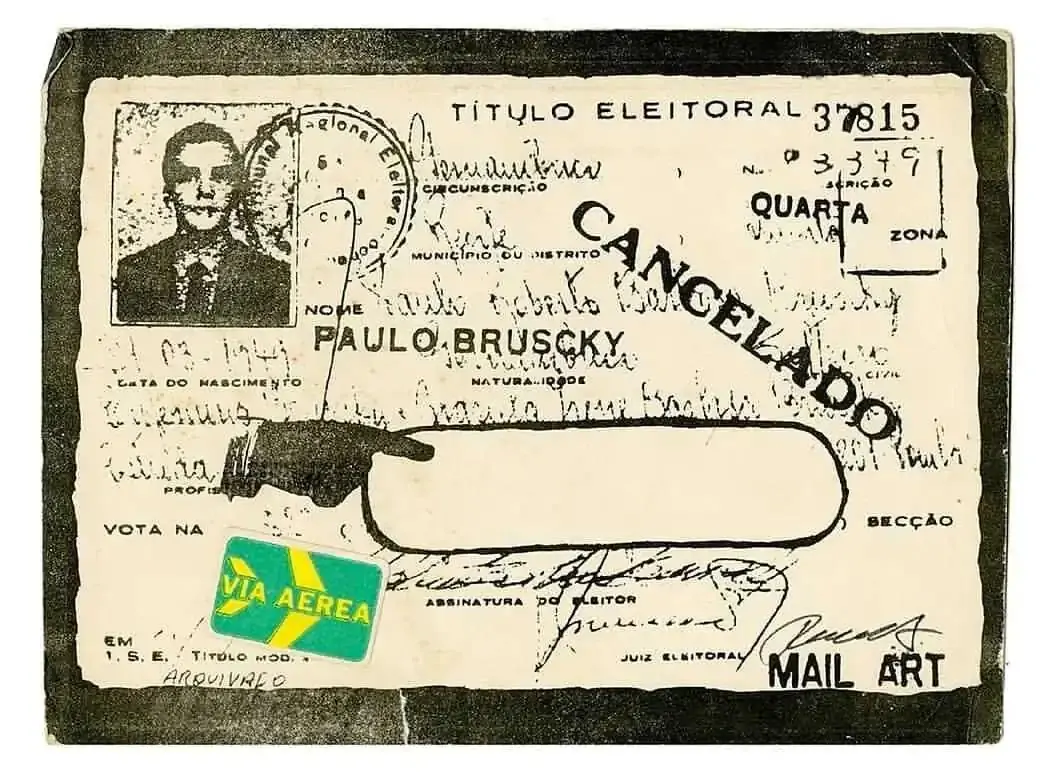
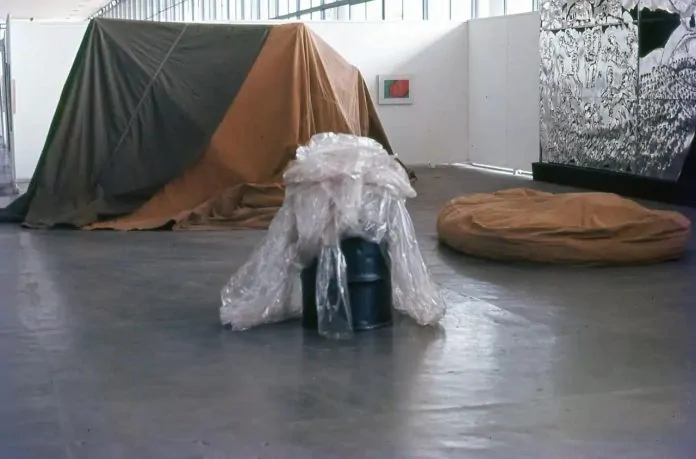
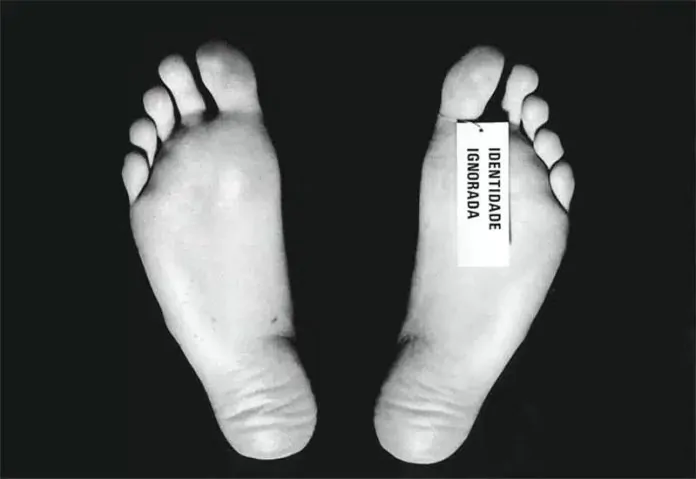
Brazil knows this story well. After the AI-5 decree in December 1968, censorship began to monitor exhibitions, plays, films, and songs. The artists' response was inventive and courageous. Hélio Oiticica raised the banner "Be marginal, be a hero." Artur Barrio scattered his Bloodied Bundles throughout the Municipal Park and the Arrudas Stream in Belo Horizonte, forcing the city to confront what the regime hid. Antonio Manuel made his own naked body the artwork at the 1970 National Salon. Cildo Meireles stamped questions on banknotes and engraved messages on Coca-Cola bottles, circulating through the economy what the press could not publish. When the dictatorship closed an exhibition of young artists at the MAM in Rio in 1969, artists and critics from various countries boycotted the São Paulo Biennial. International isolation was the price the regime paid for silencing creativity.
This memory is not a museum piece. It regains relevance as the country approaches another election under the weight of recent threats to the democratic order. There's no need to speculate: on January 8, 2023, the headquarters of the Three Powers was invaded and the national artistic heritage was attacked. Di Cavalcanti's painting "As Mulatas" was slashed with knives. Sculptures, tapestries, and historical artifacts were damaged. This was no accident. Those who intend to destroy democracy know they must also destroy the symbols that sustain it, and art is one of them.
Before that, we had already seen signs. In 2017, the Queermuseu exhibition was closed in Porto Alegre after a pressure campaign. Performances were turned into police cases, artists began to be treated as public enemies, and cultural funding became a target of permanent suspicion. The script is familiar: first the artist is discredited, then the institution is embarrassed, and finally censorship is normalized. By the time society realizes it, creative freedom has already shrunk.
Therefore, this moment demands attention. Speeches that downplay coups, that dream of a return to a regime of exception, or that treat institutions as obstacles to be removed are not mere opinions in the marketplace of ideas. They are concrete threats to a pact that has cost the country dearly. And culture, historically, is one of the first victims when this pact is broken.
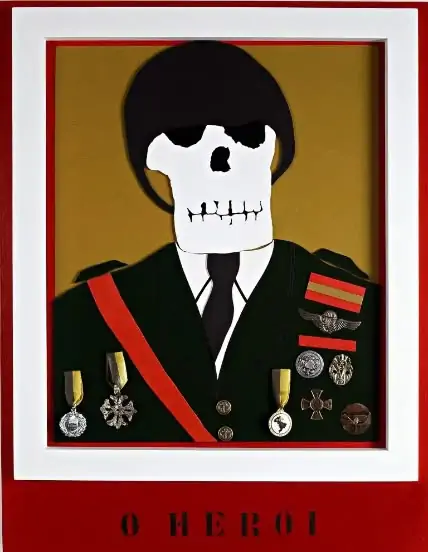
But history also teaches us something else: art has always found loopholes. It speaks through metaphors when direct words are forbidden, it circulates through unexpected paths when official spaces close, and it survives regimes that tried to erase it. The names of the censors have been forgotten; the works they persecuted are in books, in museums, and in collective memory.
Defending democracy, at this moment, is not a partisan issue. It is defending the possibility of disagreeing, of creating, of expressing, of provoking. It is ensuring that an artist can create a work that is unsettling without fear of being arrested, and that a museum can open its doors without asking permission from those who decide what is acceptable. Freedom of artistic expression cannot survive without free institutions, a free press, and respected elections.
Brazilian artists have already shown that they know how to resist. It would be better, this time, if they didn't need to. It is up to each of us, through our votes and our daily lives, to prevent history from repeating itself. Because art has never been silent in the face of authoritarianism, and it will not start now.