Home Search
Adriana Varejao - Search results
If you did not find the results, please do another search
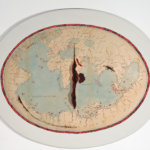
Adriana Varejão’s exhibition at the Pinacoteca brings together works produced from the 1980s to today
Presenting a broad panorama of the career of Adriana Varejão, one of the most outstanding Brazilian artists of the last decades, the exhibition Suturas, fissures, ruínas occupy...

Adriana Varejão: For a cannibal rhetoric
The exhibition marks the first solo show by artist in the northeast, territory of strong baroque heritage and colonial slavery
Adriana Varejão: for a cannibal rhetoric
The exhibition marks the artist’s first solo show in the northeast, a territory with a strong Baroque heritage and colonial slavery.

Adriana Varejão's exhibition arrives in Recife after debuting in Salvador
“Por uma Retórica Cannibal”, curated by Luisa Duarte, should circulate until the end of the year in Brazilian cities outside the Rio-São Paulo axis.

Works by Adriana Varejão dialogue with the violence of the colonial past in Salvador
Exhibition “Por uma Retórica Cannibal”, at MAM-BA, presents important works produced by the artist from Rio de Janeiro between 1992 and 2016

"Tragedy!" challenges artists to create links between an earthquake, the Week of 22 and...
Until October 15th, the Galpão da Fortes D'Aloia & Gabriel, in São Paulo, presents the group exhibition with 13 artists, such as Adriana Varejão, Ivens Machado and Mateus Moreira, curated by Raphael Fonseca, with works that refer to destruction, discard and loss
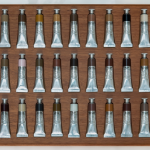
People of infinite colors
For four years, Adriana Varejão was already studying, together with Lilia Schwarcz, the infinite colors and identities of the Brazilian people. remember
Editorial #76
Fifteen years supporting Brazil's cultural diversity.

Inhotim celebrates its 20th anniversary and invites teachers to a critical reflection on its collection.
In the 14th edition of Decentralizing Access, now with national reach, the museum reaffirms its commitment to education by treating its own collection as an object of research.

At the Prada Foundation, Arthur Jafa and Richard Prince in "Helter Skelter"
In a Biennale marked by the strength of the main exhibition, national pavilions lose momentum, while parallel exhibitions in Venice broaden debates on race, coloniality, appropriation of images, and disputes over memory.